
An alarm nobody is listening to is a noise.
Sirens make neighbours close their windows. What changes the outcome is a trained operator seeing the signal within seconds and a vehicle already moving while you are still deciding whether you imagined it.
What actually happens
From trip to driveway, five steps.
Most people have never seen this chain written down. Here is exactly what runs the moment a sensor in your house changes state — and the timings we hold ourselves to.
-
The zone trips
A beam breaks, a door contact opens or a panic button is pressed. The panel arms its siren and dials out on two independent paths.
-
We see it
The signal lands on an operator's screen in Paarl with your address, the exact zone, and any notes on your file — dogs, staff, elderly parents.
-
We verify
The operator phones you on your listed number and asks for your passphrase. No answer, wrong phrase, or a phrase under duress and we treat it as live.
-
A vehicle rolls
The nearest officer is dispatched by radio while the call is still going. On a confirmed entry we notify SAPS at the same time, not afterwards.
-
You get told
The officer walks the perimeter and reports back. You get a WhatsApp with what tripped, what was found and what time we cleared — every time, even for a cat.
Load-shedding
Stage 6 is when houses get hit. It is also when most alarms are off.
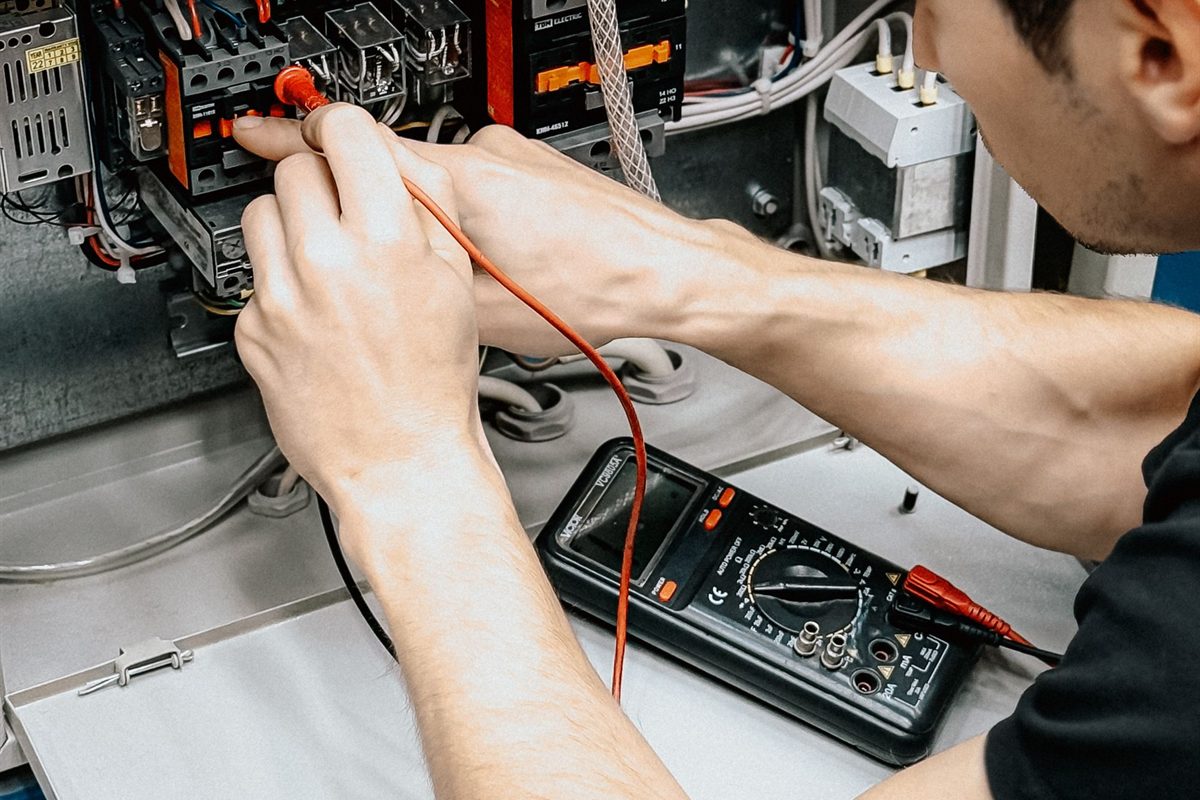
An alarm panel is only as good as the battery behind it. The sealed lead-acid battery in a typical domestic panel is rated for a couple of hours when new, and after three or four years of daily cycling it can be flat inside twenty minutes. Nobody tells you, because the panel only complains when the power is already out.
So we size the battery for the property rather than the box, and we test it remotely instead of waiting for you to notice. If your backup is degrading we book a swap before the next block — not after a break-in.
- Eight hours as standard. Panel, sirens, beams and the communicator — sized to cover two back-to-back blocks with margin.
- The signal path stays up. Fibre and Wi-Fi die with the power, so every panel also reports over its own mobile radio with its own battery.
- We watch the battery, not you. Every panel reports its voltage daily. Degrading batteries get flagged and replaced under your plan.
- Electric fence energisers too. A dead energiser is a decorative fence. Ours carry their own backup and report the same way.
What goes in
Detection where they come in, not where it's easy to drill.
Indoor & Outdoor Beams
Passive infrared indoors, dual-technology beams outside so a cat, the wind in a hedge or a hot roof doesn't cost you a call-out.
Panic Buttons
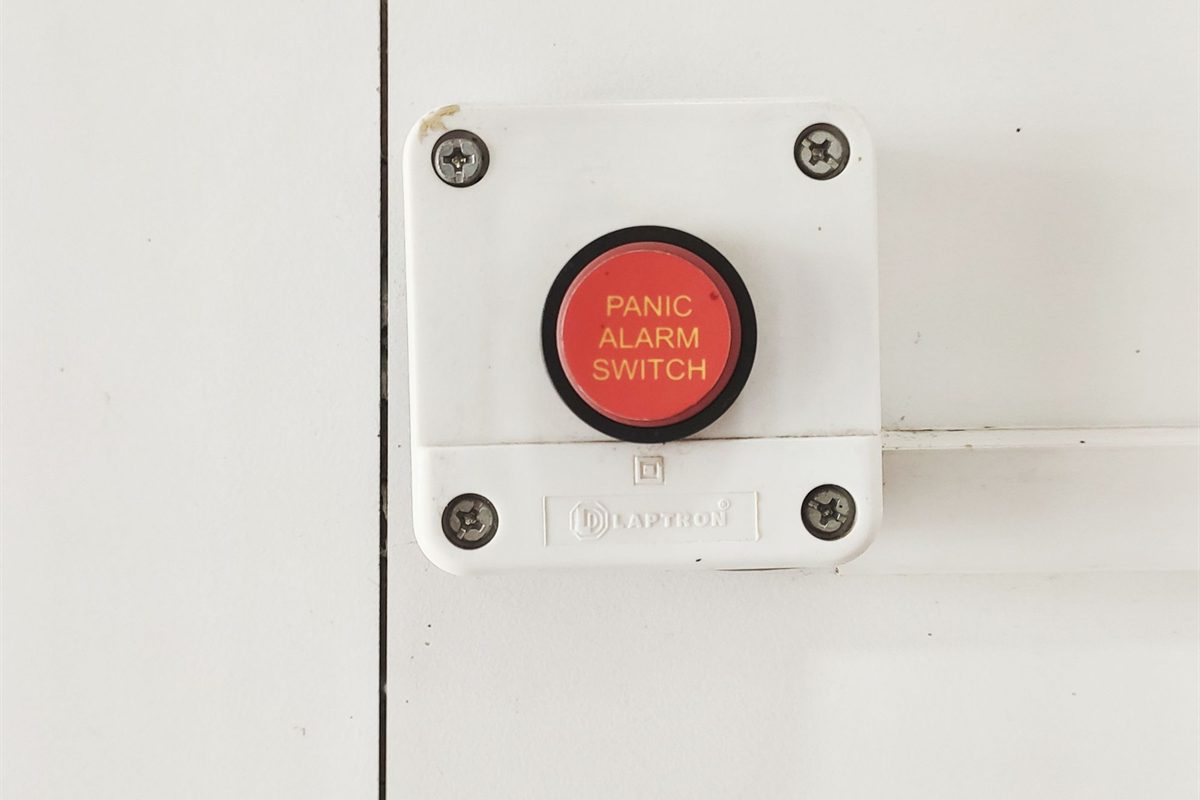
Fixed buttons at the bed and the back door, plus wearable remotes with range across the property. Every one dispatches without a verification call.
Keypads That Make Sense
Separate night and away modes, so you can arm the perimeter and still walk to the kitchen. Most false alarms are really design mistakes.
Also fitted and serviced
- Door & window contacts
- Glass-break detectors
- Vibration sensors
- Outdoor sirens & strobes
- Smoke & heat detectors
- Duress passphrases
- Staff arming codes
- Zone partitioning
- Battery replacement
- Panel takeovers
- Fence energiser servicing
- Annual system audit
Installation
Indicative once-off figures.
Every property is different, so these are honest starting points rather than a price list. The survey firms them up before you commit to anything, and monitoring is billed separately on the plan you choose.
Townhouse or flat
from R6,900Panel, keypad, four internal detectors, two panic buttons, outdoor siren and an eight-hour battery. Typically a one-day install.
Standard house
from R12,400Everything above plus outdoor beams on the two approach sides, door contacts throughout and a partitioned night mode.
Smallholding or business
from R24,000Multi-zone panel, perimeter beam lines, gate and outbuilding coverage, staff codes and a radio path independent of the fibre.
Prices include VAT and the first year's warranty on parts and labour. Monitoring and armed response are on the monthly plans.
Already have an alarm that nobody watches?
We take over most existing panels rather than ripping them out — you keep the hardware you paid for and it starts reporting to a control room that answers. Tell us the make and we'll say honestly whether it's worth keeping.