
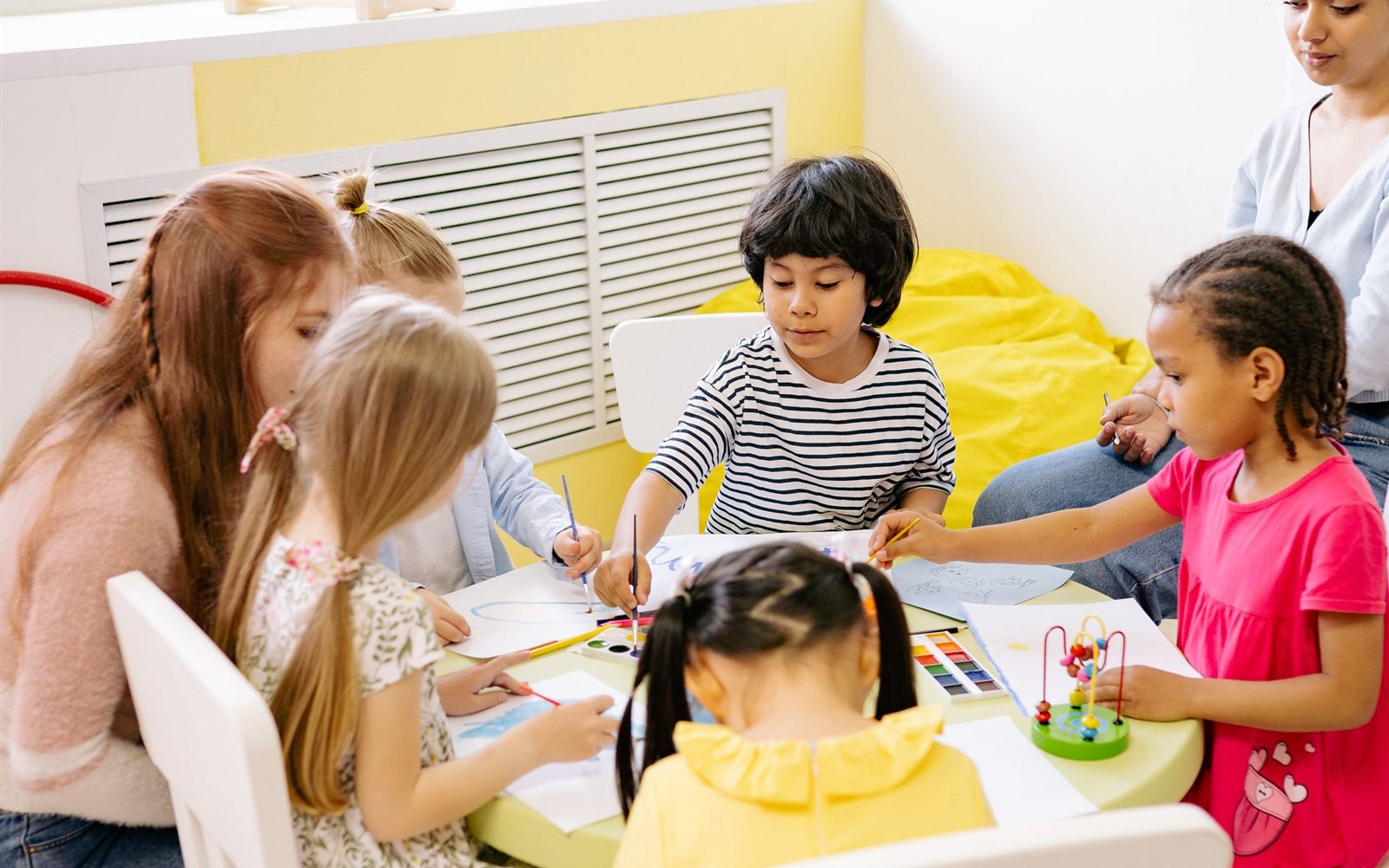
Vier groepe, en 'n dag met ritme. Four groups, and a day with rhythm.
Elke groep het sy eie ruimte, sy eie personeel en sy eie tempo — maar almal deel dieselfde dagritme. Hier is presies wat op 'n dag gebeur. Each group has its own room, its own staff and its own pace — but they all share the same daily rhythm. Here is exactly what happens in a day.
BabasBabies
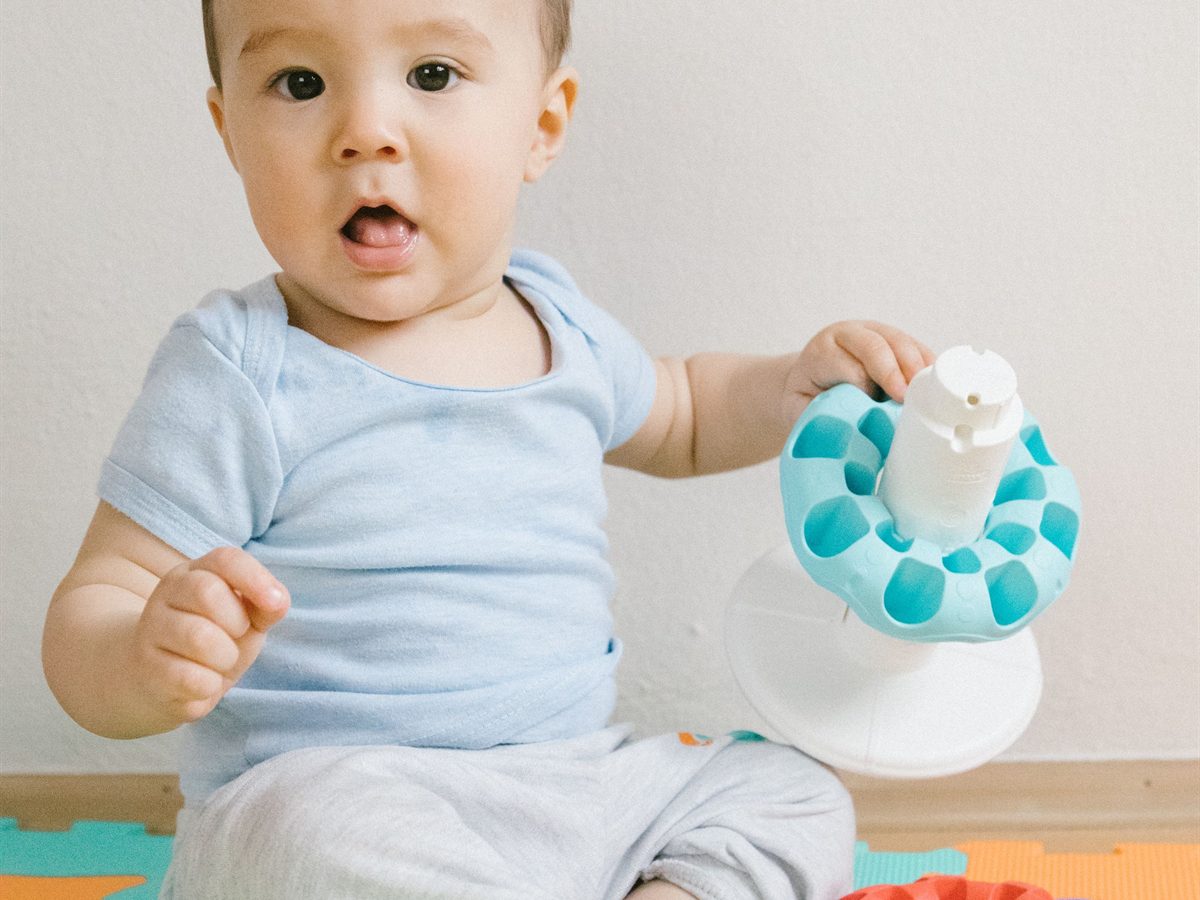
Babas hou nie by 'n dagprogram nie, en ons verwag dit ook nie. Elke baba volg sy eie slaap- en voedingsroetine, presies soos jy dit vir ons neerskryf — ons pas by die kind aan, nie andersom nie.Babies do not keep to a timetable, and we do not ask them to. Each baby follows their own sleeping and feeding rhythm, exactly as you write it down for us — we fit around the child, not the other way round.
Die babakamer het sy eie afgeskorte slaapruimte, 'n eie verversingsarea en 'n deurtjie reguit na die beskutte grasperk.The baby room has its own partitioned sleep space, its own changing area, and a door straight onto the sheltered lawn.
- Daaglikse dagboekie.A daily daybook. Elke slapie, elke bottel, elke doek — op skrif, elke middag saam huis toe.Every nap, every bottle, every nappy — written down and sent home each afternoon.
- Jou eie melk en kos.Your own milk and food. Uitgedrukte moedersmelk of formule word gemerk en apart gebêre. Vaste kos begin wanneer jy sê.Expressed milk or formula is labelled and stored separately. Solids start when you say so.
PeutersToddlers
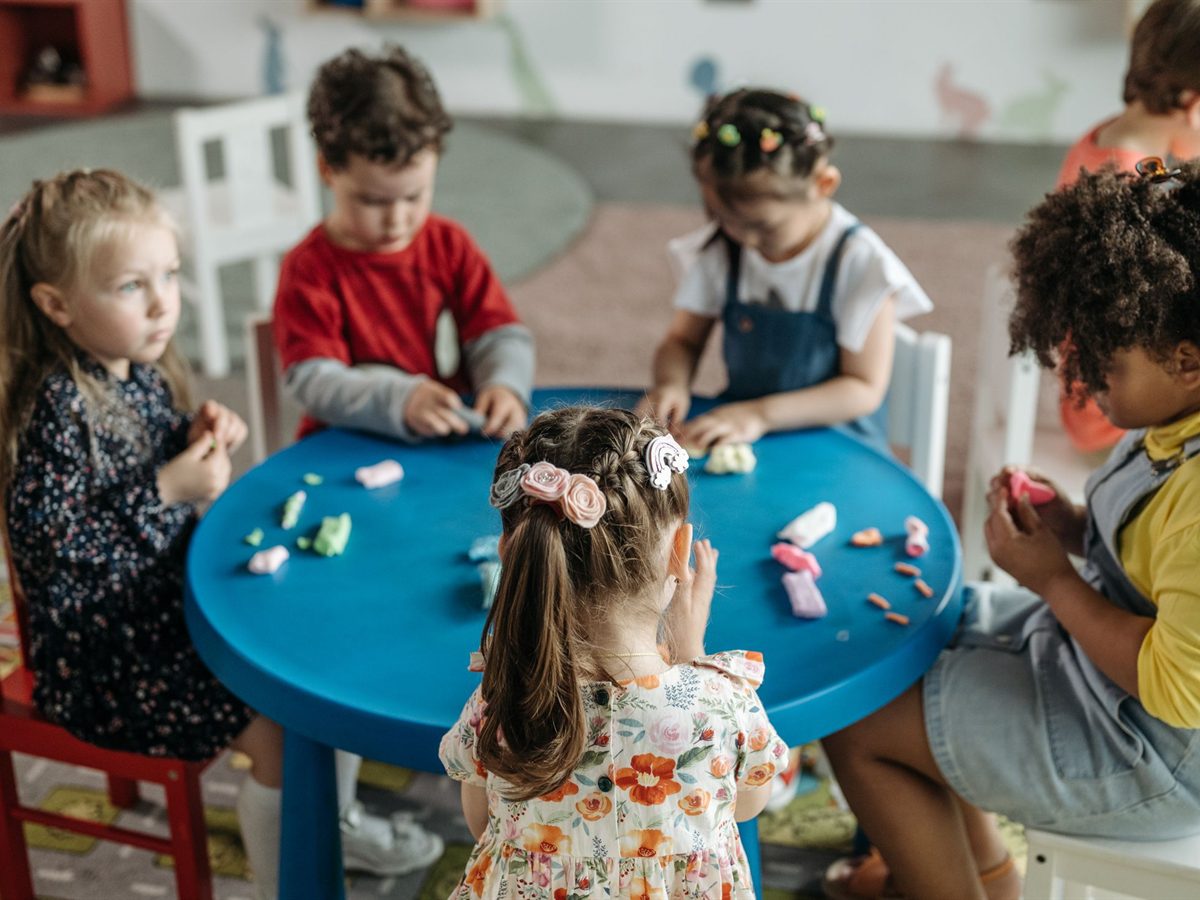
Dis die jaar waarin alles “ek self” word. Ons gee die tyd daarvoor: skoene aantrek neem tien minute, en dis reg so.This is the year everything becomes “me do it”. We build in the time for that: putting shoes on takes ten minutes, and that is fine.
Potjieopleiding werk saam met die huis, op julle tempo. Ons stuur nooit 'n kind terug huis toe omdat hy nog nie reg is nie.Potty training runs alongside home, at your pace. We never send a child back because they are not ready yet.
- Eerste woorde, albei tale.First words, both languages. Liedjies en rympies loop in Afrikaans en Engels. Kinders antwoord in wat ook al eerste kom.Songs and rhymes run in Afrikaans and English. Children answer in whichever comes first.
- Mors is deel van die werk.Mess is part of the work. Verf, water, sand en klei elke week. Stuur ou klere — ons stuur hulle vuil terug.Paint, water, sand and clay every week. Send old clothes — we send them home dirty.
KleutersPreschool
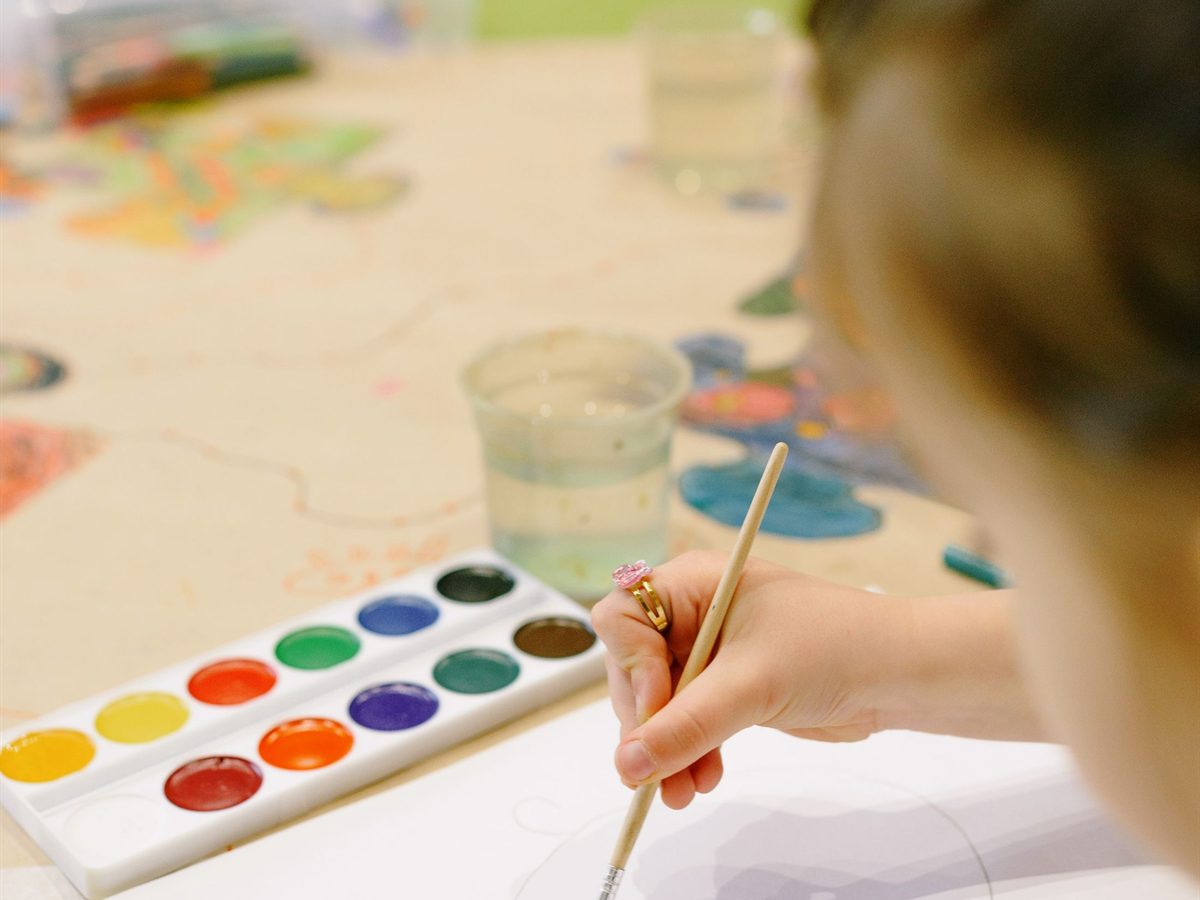
Nou begin die temaweke. Die see, die plaas, die weer, ons lywe — elke tema loop twee weke en raak al ses ontwikkelingsareas van die Nasionale Kurrikulumraamwerk 0–4 aan.This is where the themed weeks start. The sea, the farm, the weather, our bodies — each theme runs a fortnight and touches all six development areas of the National Curriculum Framework 0–4.
Die tema buig ook. As die klas vashaak by miere, doen ons 'n week oor miere.The theme also bends. If the class gets stuck on ants, we do a week on ants.
- KommunikasieCommunication
- Wiskundige denkeMathematical thinking
- KreatiwiteitCreativity
- WelstandWellbeing
- IdentiteitIdentity
- VerkenningExploring
Graad R-gereedGrade R Ready
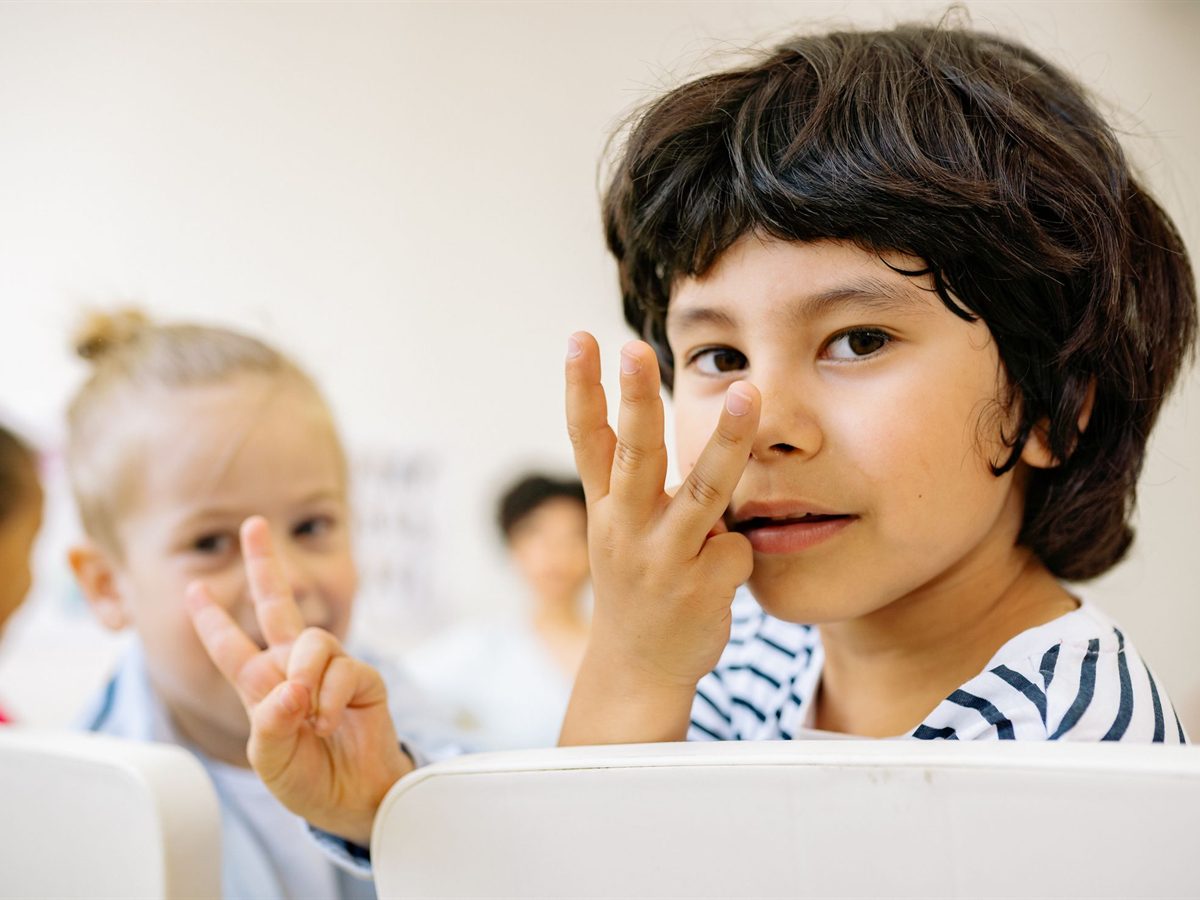
Die laaste jaar by ons berei kinders voor vir Graad R by die groot skool. Klanke, syfers tot twintig, skêr- en potloodgreep, en die goed wat niemand op 'n rapport sit nie: stilsit, wag vir jou beurt, en jou eie kosblik oopmaak.Their last year with us gets them ready for Grade R at big school. Sounds, numbers to twenty, scissor and pencil grip — and the things nobody puts on a report: sitting still, waiting your turn, and opening your own lunchbox.
In die derde kwartaal doen ons 'n skoolgereedheidsassessering en sit met elke ouer af om dit deur te gaan. Ons sê vir jou eerlik as ons dink 'n jaar se wag beter sal wees.In the third term we run a school-readiness assessment and sit down with every parent to go through it. We will tell you honestly if we think another year would serve your child better.
- Ons ken die skole hier rond.We know the local schools. Ons help met aansoekvorms en die tydlyn — die meeste laerskole in die area open aansoeke 'n vol jaar vooruit.We help with application forms and timing — most primary schools nearby open applications a full year ahead.
Die dag, van hek tot hek.The day, gate to gate.
Dis die kleuter- en Graad R-gereed-groepe se dag. Babas en peuters volg dieselfde ete- en buitetye, maar slaap wanneer hulle moeg is.This is the preschool and Grade R Ready day. Babies and toddlers keep the same meal and outdoor times, but sleep when they are tired.
Hek oop, sagte beginGate opens, soft start
Boeke, legkaarte en 'n stil hoekie. Niks word van 'n kind gevra voor 07h30 nie.Books, puzzles and a quiet corner. Nothing is asked of a child before 07h30.
OntbytBreakfast
Pap, vrugte en melk, hier in die kombuis gemaak. Niemand kom honger by die eerste aktiwiteit aan nie.Porridge, fruit and milk, made in our kitchen. Nobody arrives at the first activity hungry.
RingtydCircle time
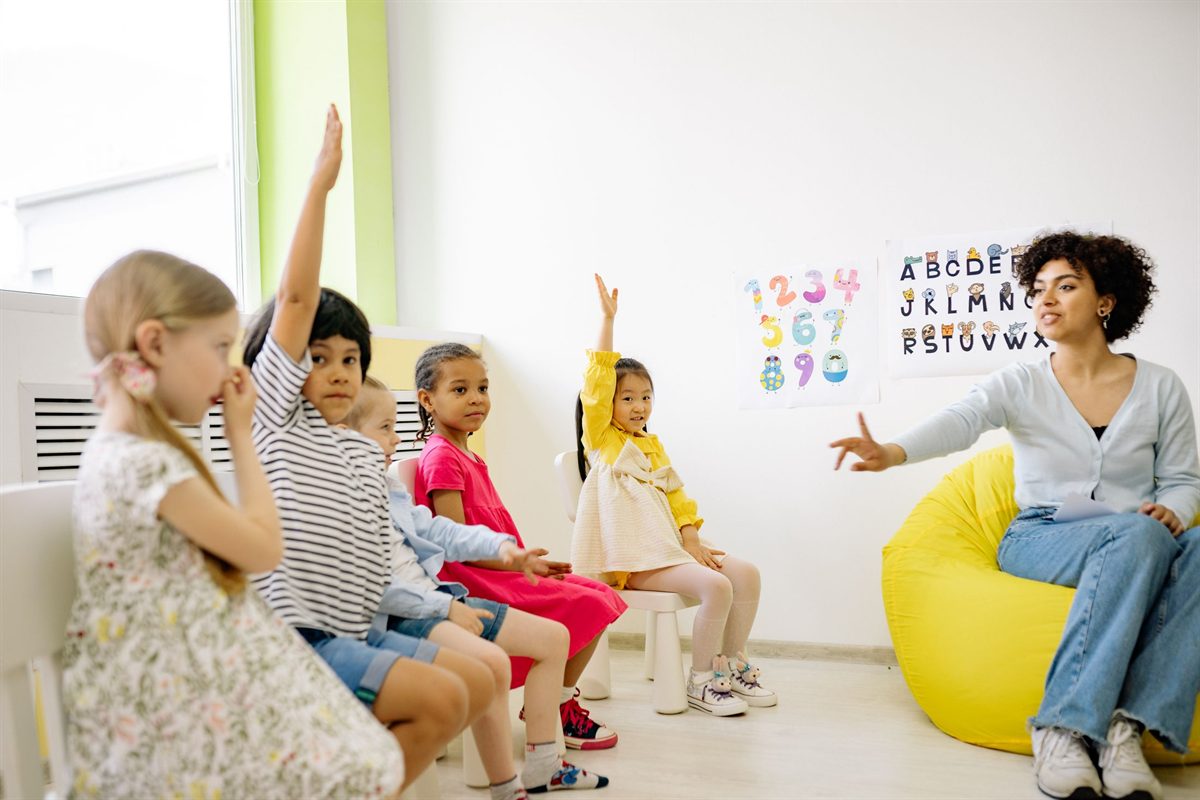
Die dag se tema, die weer, wie's hier en wie's siek. Liedjies in albei tale.The day's theme, the weather, who is here and who is poorly. Songs in both languages.
BuitespelOutdoor play
Sandput, fietse, klimraam en die ou akkerboom se skaduwee. Elke dag, ook in die winter.Sandpit, bikes, climbing frame and the old oak's shade. Every day, winter included.
PeuselhappieMid-morning snack
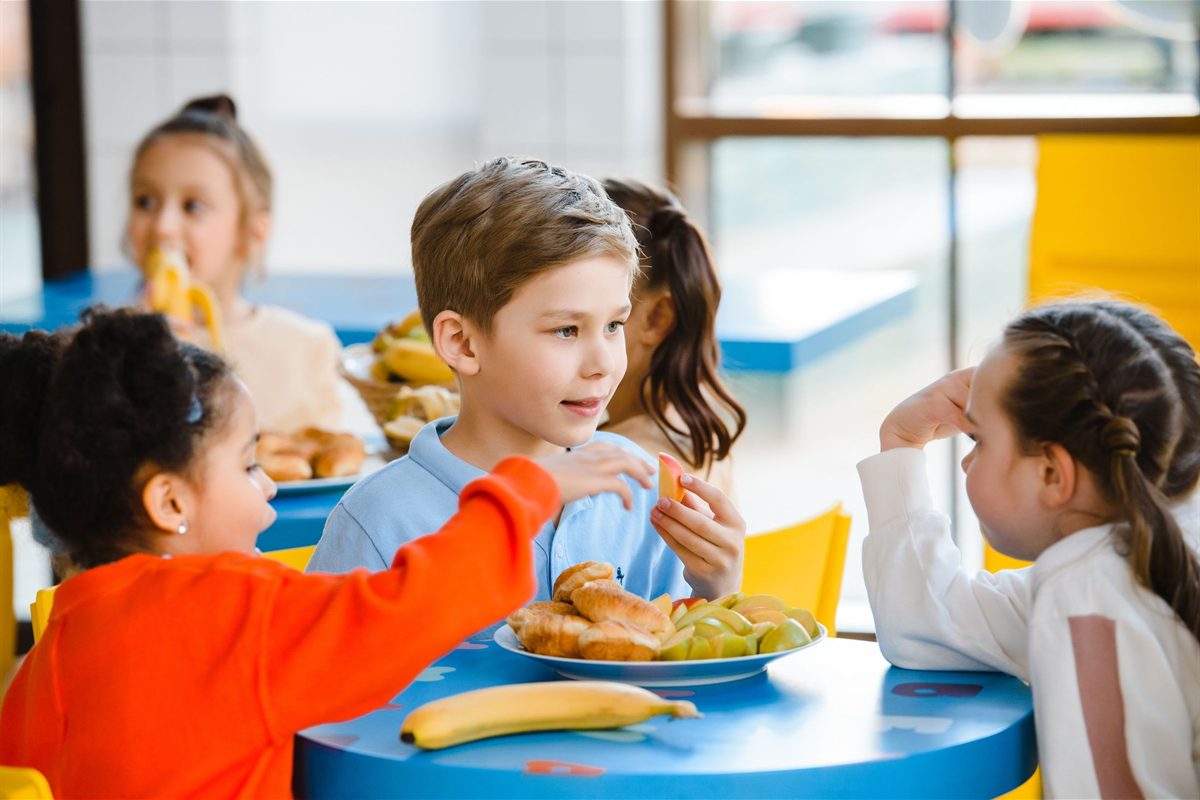
Vrugte en beskuitjies, buite as die weer dit toelaat.Fruit and crackers, outside if the weather allows.
Skeppende aktiwiteiteCreative activities
Verf, klei, bou, knip en plak — die deel van die dag waar die tema regtig lewe kry.Paint, clay, building, cutting and sticking — the part of the day where the theme really comes alive.
MiddageteLunch
'n Warm bord, aan tafel, saam. Die spyskaart hang elke Maandag by die hek.A hot plate, at the table, together. The menu goes up at the gate every Monday.
Halfdag-optel · slaaptydHalf-day pick-up · nap time
Halfdagkinders word tussen 12h45 en 13h00 gehaal. Die res gaan lê met 'n storie.Half-day children are collected between 12h45 and 13h00. The rest lie down with a story.
Halfdag eindig hierHalf day ends hereWakker word, versnaperingWaking up, afternoon snack
Stadig wakker word, iets klein om te eet, en dan weer buitentoe.A slow wake-up, something small to eat, and then back outside.
Vrye spel & nasorgFree play & aftercare
Kinders kies self. Nasorg is by die voldagfooi ingesluit — dis nie 'n ekstra nie.The children choose. Aftercare is included in the full-day fee — it is not an extra.
Hek toeGate closes
Almal is teen 17h30 gehaal. Laat? Bel ons — ons bly by jou kind totdat jy hier is.Everyone is collected by 17h30. Running late? Phone us — we stay with your child until you arrive.
Die kurrikulumThe curriculum
Leer wat soos speel lyk.Learning that looks like play.
Ons volg die Nasionale Kurrikulumraamwerk vir kinders van geboorte tot vier — die raamwerk wat die Departement van Basiese Onderwys vir vroeë kinderontwikkeling neergelê het. Dit skryf nie werkkaarte voor nie; dit beskryf wat 'n kind op elke ouderdom moet kan doen, en laat die skool besluit hoe.We follow the National Curriculum Framework for children from birth to four — the framework the Department of Basic Education sets for early childhood development. It does not prescribe worksheets; it describes what a child should be able to do at each age, and leaves the how to the school.
By ons lyk die “hoe” soos water in die sandput, tel met dennebolle, en 'n storie wat drie keer oorvertel word omdat almal dit wil hoor.Here the “how” looks like water in the sandpit, counting with pine cones, and a story told three times because everyone wants to hear it again.
- Twee ouergesprekke per jaar.Two parent meetings a year. Een in Mei, een in Oktober, met 'n kort geskrewe vorderingsverslag. Enige tyd tussenin ook, as jy vra.One in May, one in October, with a short written progress note. Any time in between too, if you ask.
- Geen skerms.No screens. Geen televisie, geen tablette. Nie as beleidstandpunt nie — ons kom net nooit daarby uit nie.No television, no tablets. Not as a stance — we simply never get round to them.
Kom kyk op 'n gewone oggend.Come and see on an ordinary morning.
Ons doen nie spesiale rondleidings nie. Kom tussen 09h30 en 11h00, wanneer die dag op sy volste is, en kyk hoe dit regtig lyk.We do not do staged tours. Come between 09h30 and 11h00, when the day is at its fullest, and see what it actually looks like.